☕
Cafeomancia
El oráculo de los posos del café
0/500
El oráculo de los posos del café
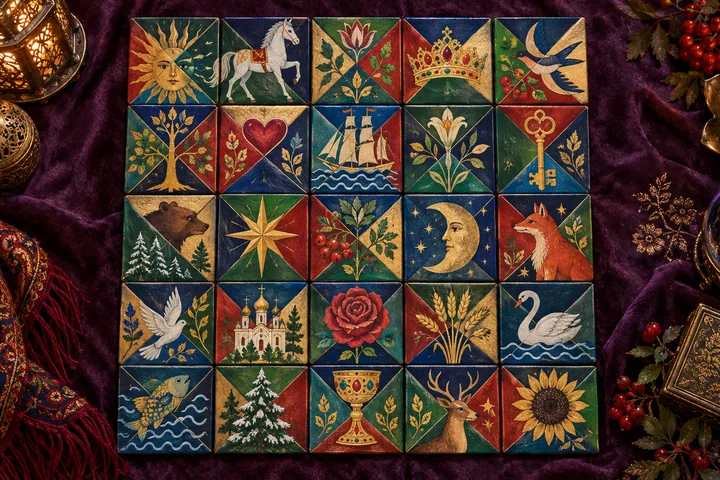
The application chooses three different symbols from a catalogue of 30 and places them in an animated cup.
Approach the symbols calmly: observe the image and find the nuances that speak to your question.
The cup brings three images together around a question. Read each symbol separately, then consider the relationship they form. The combined message preserves this meeting of shapes without turning it into a timeline.
The application chooses three different symbols from a catalogue of 30 and places them in an animated cup. They are read in the displayed order, without temporal positions. This is a recreation of coffee reading, without photograph analysis.
Key, Mountain and Path might suggest an opening, a difficulty and ways to continue. For a project question, this example distinguishes an opportunity from the effort it requires. Key does not mean the past, and Path does not predict a journey.