Tarot

Major Arcana

The Major Arcana form a series of 22 figures in the tarot, differentiated from the cards of the four suits. Each figure opens its own symbolic field. Its presence allows for the exploration of broad themes, but it does not demonstrate that a situation is more important nor that there exists a fixed destiny.

How it is structured

In a deck of 78 cards, the Majors coexist with 56 Minors. The numbering depends on the model: in Marseille, Justice is usually VIII and Strength XI; in Rider-Waite-Smith they are exchanged. The Fool usually carries 0 in Rider and may lack a number in other models. It is advisable to identify the card by its name and image.

Useful distinctions

The so-called journey of The Fool is a way to connect the series as a symbolic passage. It can serve for learning, without turning every reading into an obligatory stage. In an application that uses only Majors, if three Majors appear it is a consequence of the available deck: it is not an extraordinary sign.

A practical example

Imagine The Magician, The Hanged Man and Temperance in a question about a project. The initiative finds a pause that modifies the view; the exchange of the last card raises how to adjust the pace. The set allows reading a relationship between symbols without imposing a calendar or a hierarchy among cards.

Bring it into your reading

What does each image contribute to the question, and what changes when you read them together?
← Back to glossary

From card to reading

The 22 Major Arcana, card by card

Open a card to read its meaning. The images are from the Rider–Waite–Smith deck; numbering may differ in other decks.

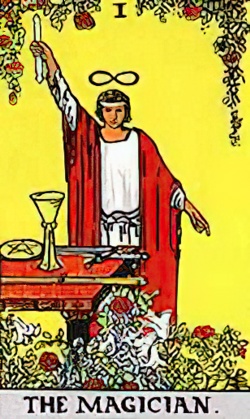
The Magician

The Magician brings together initiative, skill and the ability to turn an intention into action. It asks which resources you recognise and how you connect them. Skill can serve a real project or become a convincing display with little substance behind it.

The Magician
The High Priestess

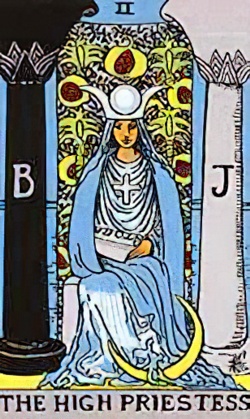
The High Priestess represents listening, reserve, and a knowledge that requires time to be articulated. Its silence does not equate to a hidden answer that the card can reveal: it opens a relationship between what you perceive, what you know, and what you have not yet expressed.

The High Priestess
The Empress

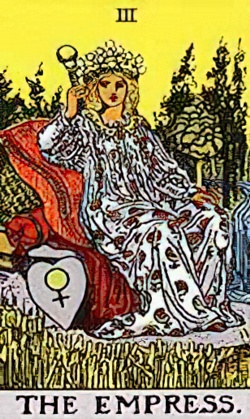
The Empress gathers creation, care, and development. It can represent that which takes form through sustained attention: a work, a bond, or a nurturing environment. Its abundance is a symbolic language; it does not announce pregnancy, wealth, nor a health outcome.

The Empress
The Emperor

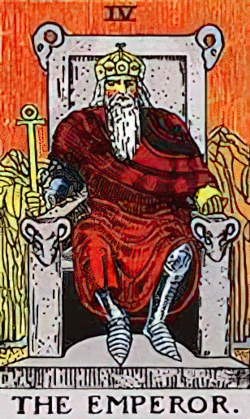
The Emperor presents structure, authority, and responsibility. The card allows you to explore how a situation is ordered and what sustains its boundaries. Its presence does not necessarily identify a man or a superior: it can represent a function that you exercise, receive, or question.

The Emperor
The Hierophant

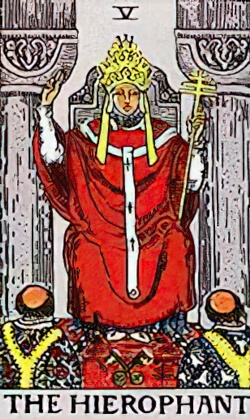
The Hierophant relates to teaching, tradition, and belonging. It invites you to observe what ideas you have received, which community transmits them, and how you make them your own. It can represent an institution or a way of learning; it does not demand accepting spiritual authority nor does it announce a marriage.

The Hierophant
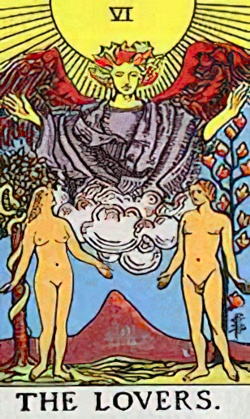
The Lovers

The Lovers gathers bond, affinity, and choice. Although it can accompany questions of love, it also allows exploring values that are found or paths that require a decision. The card does not certify soulmates nor guarantee reciprocity: it places the encounter at the center of the reading.

The Lovers
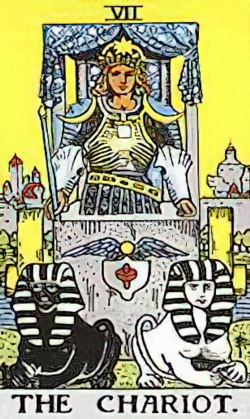
The Chariot

The Chariot represents direction, drive, and the coordination of different forces. Its symbolic movement does not guarantee victory nor announce a journey: ask how the energy necessary to advance is organized. Will gains meaning when it knows where it is headed.

The Chariot
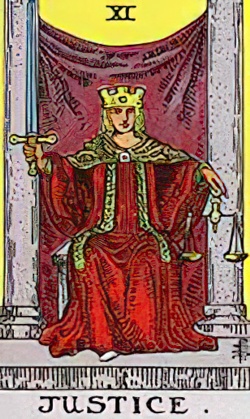
Justice

Justice explores balance, judgment, and responsibility for a choice. The card allows you to compare actions and consequences from a clear framework. It does not predict a legal verdict nor replace the review of facts or documents. In Marseille it usually carries VIII; in Rider-Waite-Smith, XI.

Justice
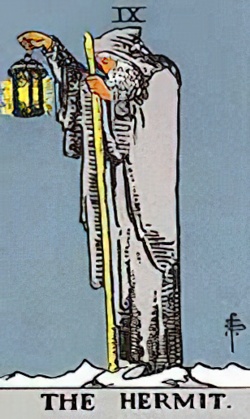
The Hermit

The Hermit gathers introspection, searching, and discernment. Its distance can offer a space for understanding, without implying abandonment or inevitable solitude. The card asks what is discovered by reducing the noise and what needs to return after the exchange with the world.

The Hermit
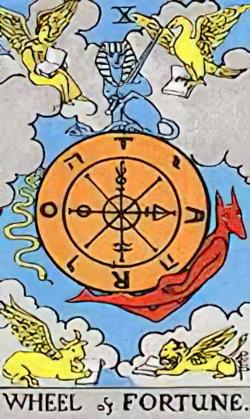
Wheel of Fortune

Wheel of Fortune represents variation, cycles, and changes of position. It allows you to explore how one responds to what is moving, without promising good luck or stating that everything is predestined. The card gains nuance by relating changing circumstances and the capacity for adaptation.

Wheel of Fortune
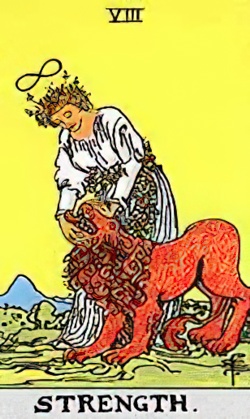
Strength

Strength explores firmness, patience, and the relationship with impulse. The strength of this card can be expressed through presence and measure, without the need to impose. In Marseille it usually carries XI; in Rider-Waite-Smith, VIII. The numbering does not change its identity within each deck.

Strength
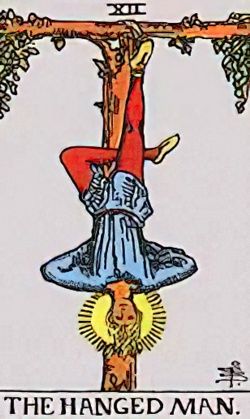
The Hanged Man

The Hanged Man represents suspension, a change in perspective, and a different relationship with movement. The pause may be chosen or experienced as a limitation; the reading needs to explore that difference. The card does not force sacrifice nor acceptance of a damaging situation.

The Hanged Man
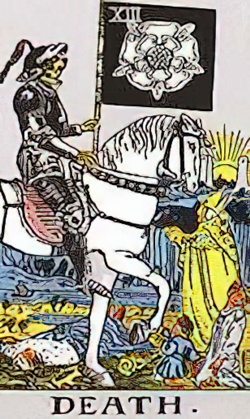
Death

Death symbolizes ending, transformation, and change of form. It allows you to explore what ceases to be supported and the relationship with what comes after. In this symbolic reading, its appearance does not predict a physical death or a medical outcome.

Death
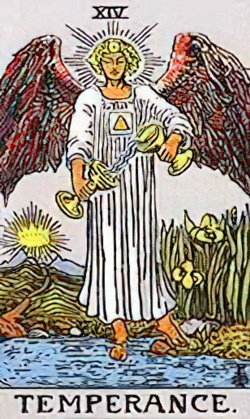
Temperance

Temperance gathers measure, exchange, and adjustment between differences. Its balance is built through an active relationship, not through immobility. The card allows you to explore how rhythms, needs, or contributions combine without requiring them to be identical.

Temperance
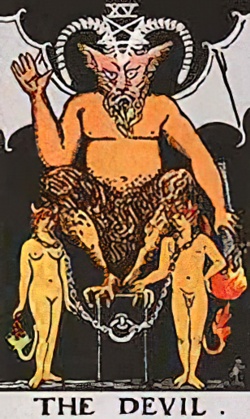
The Devil

The Devil explores attachment, fascination, and a difficult relationship with desire or power. Its image can be used to name a tension that is hard to look at. It does not demonstrate a curse, an external presence, or a person's guilt.

The Devil
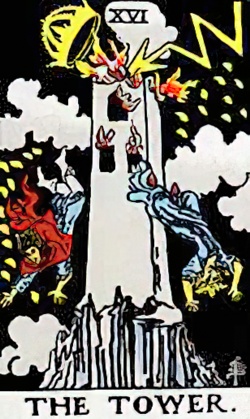
The Tower

The Tower represents the rupture of a structure, the revelation of a tension or change that alters the known framework. Its intensity can give language to a shake-up. It does not announce accidents nor demonstrate that a catastrophe is going to occur.

The Tower
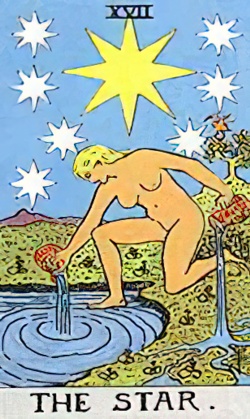
The Star

The Star gathers hope, inspiration, and an opening that allows one to look again. It can accompany the desire to regain confidence or make space for a vocation. Its light is a symbolic image, not a guarantee of success, protection, or healing.

The Star
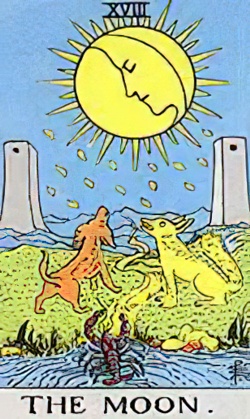
The Moon

The Moon explores uncertainty, imagination, and the difficulty of seeing a situation clearly. It can give language to impressions and fears that need to be distinguished. It does not reveal deceptions nor allow knowledge of private thoughts or hidden facts.

The Moon
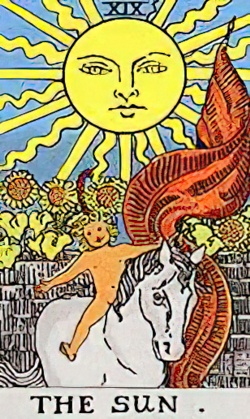
The Sun

The Sun gathers clarity, symbolic vitality, and an expression that finds space. It can represent shared joy or an aspect that is easier to understand. Its luminous tone does not guarantee a favorable outcome nor describe a state of health.

The Sun
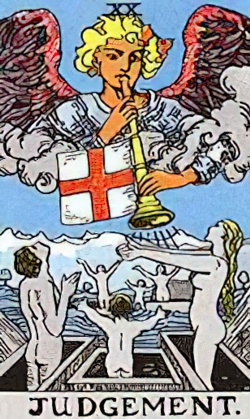
Judgement

Judgement represents a calling, review, and a new way of responding to what has been lived. The card allows you to explore what is recognized after an experience and what requires a conscious response. It does not certify a romantic return nor issue a moral judgment on your life.

Judgement
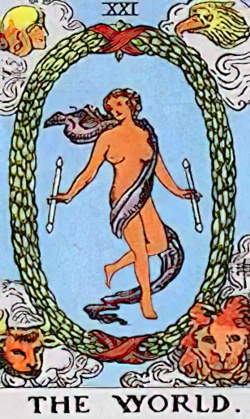
The World

The World gathers integration, culmination, and the relationship between parts of a journey. It allows one to observe what has taken shape and what meaning the whole acquires. It does not announce that everything is resolved nor guarantee an arrival at a concrete goal.

The World
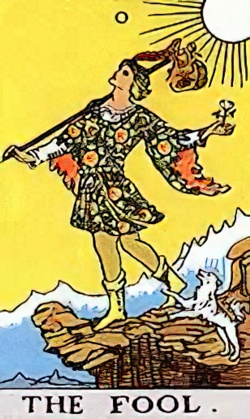
The Fool

The Fool represents openness, beginnings, and willingness to enter an unknown experience. It can explore freedom and confidence, alongside the need for attention. Its symbolic invitation does not force taking risks nor does it mean that all preparation is a burden.

The Fool
Sources for further reading