Gypsy Tarot

Discover the secrets of the 36 mystical cards

Select 3 cards that call to you

0 / 3

The cards reveal your destiny...

Read the gypsy tarot with artificial intelligence. Ancient Roma wisdom with a modern, personal interpretation.

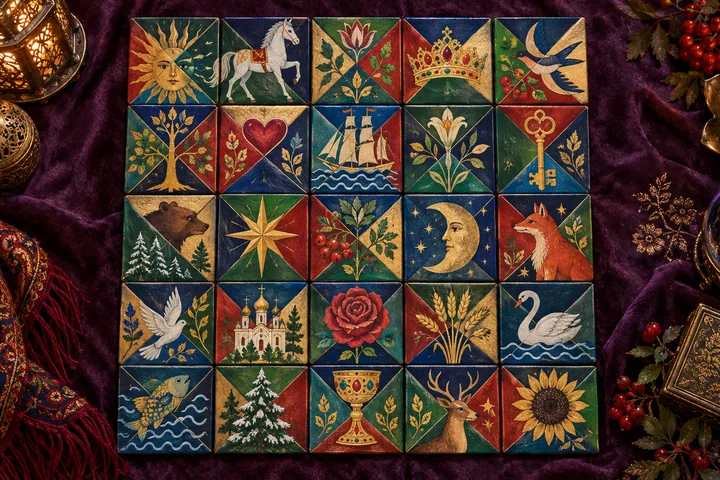
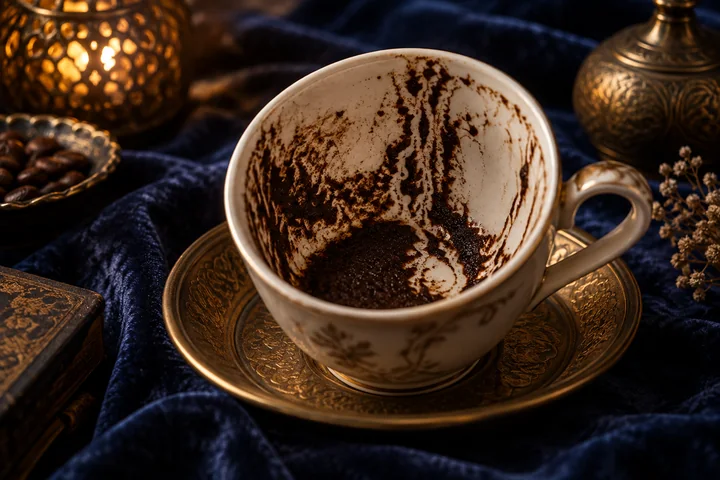
The Gypsy Tarot was born from the divinatory wisdom of the Romani people, who for centuries crossed Europe reading destiny through cards, palms and coffee grounds. This specific deck — 36 cards with figurative, everyday scenes and clear messages (wedding, money, journey, sorrow) — gathers that popular tradition and delivers it with AI interpretation in warm, accessible language. No academic filters, no obscure terminology.

What is the Gypsy Tarot?

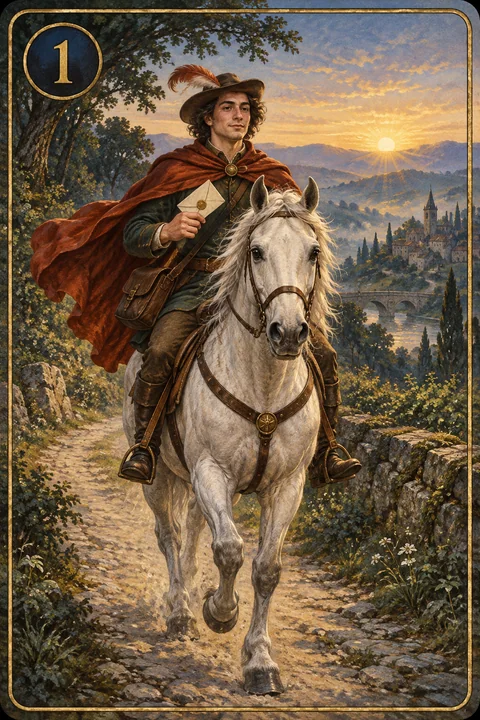
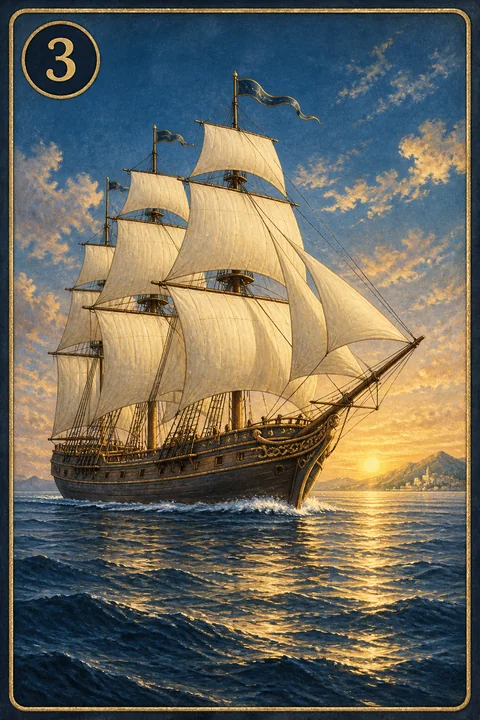
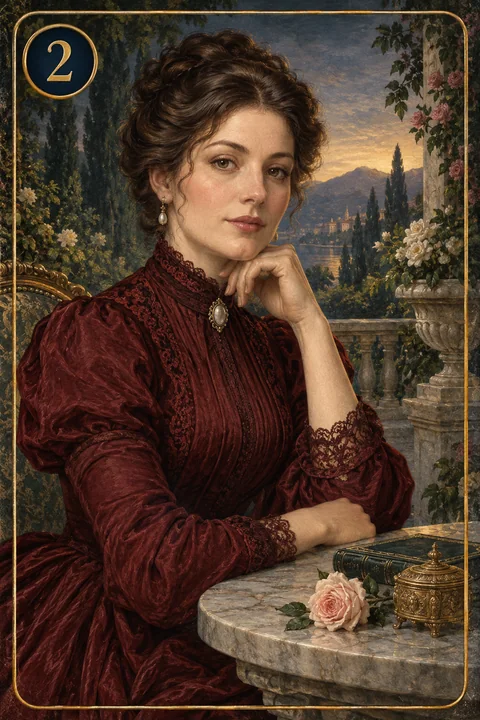
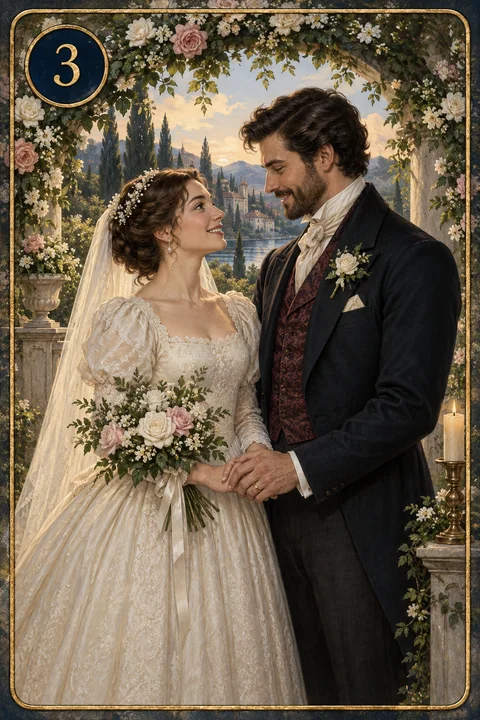
The Gypsy Tarot — also known as the Romani Deck or Petit Lenormand in its classic French form — is a popular cartomancy system made up of 32 to 36 cards (depending on the version) bearing figurative scenes from everyday life. Unlike traditional tarot, it has no major arcana or complex esoteric system: each card shows a recognisable situation (the bride, the money, the journey, the letter, the keys, the stork…) with a very direct, folk meaning.

Its origins lie in 18th- and 19th-century European parlour cartomancy, popularised by Marie Anne Lenormand (1772–1843), the celebrated fortune-teller of Napoleon and Josephine. The Romani tradition adopted, refined and spread it throughout Spain and Latin America, where it took on its own distinctive forms.

The Most Revealing Cards

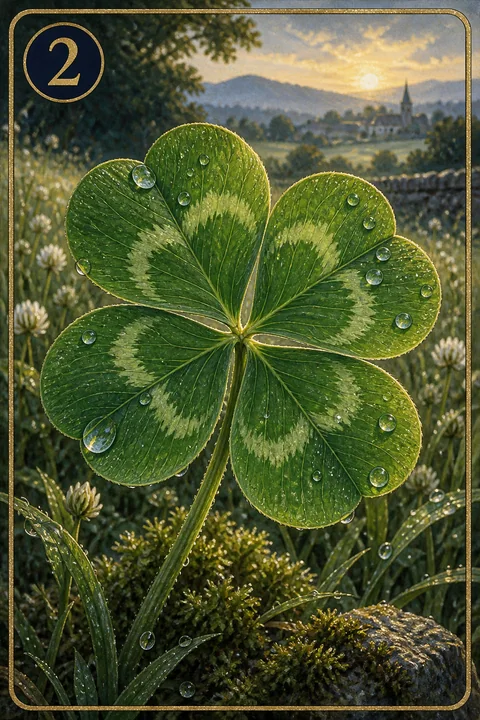
Some cards carry almost unanimously immediate readings within the tradition: the Stork announces changes and new arrivals, the Ring speaks of commitment, the Clover of small luck, the Coffin marks endings (not literal deaths), the Letter brings written news, the Sun means success and wellbeing.

The power of the Gypsy Tarot lies in the combination of cards. Stork + Ring: a change in the relationship, possible marriage. Coffin + Sun: the end of a difficult period with liberation. Money + Road: an economic opportunity that requires movement. The AI builds these combinatory readings in clear language, free of technical jargon.

Frequently Asked Questions

Is it the same as the Lenormand Tarot?
They share the same origins but there are differences. The Lenormand Tarot in its modern form has 36 cards and is more closely associated with the cultured French-German tradition. The "Gypsy Tarot" is the popular Iberian and Latin American variant, with fewer cards in some versions and a more colloquial language. They share many meanings, but the interpretive context differs.
Why is it called "Gypsy"?
Because of the historical association with the Romani people, who adopted cartomancy early in European history and spread it widely. It was not the Romani who invented it (its origins are in European learned circles), but they popularised and adapted it, creating an extraordinarily rich oral tradition of combinations and interpretations. The name acknowledges that transmission.
Does it work well for concrete questions?
Yes, particularly well. The Gypsy Tarot is renowned for giving concrete answers to day-to-day questions: will there be a journey? will news arrive? are there changes in finances? how is health looking? Its pragmatic language makes it ideal for operational consultations.
Does the Gypsy deck have a sacred or ritual dimension?
In popular tradition, yes: Romani card readers usually keep their personal deck, never lend it, "feed" it through use and give it time to rest. If you plan to use a physical deck, it is worth treating it with respect. In the digital version, what matters is the intention and concentration with which you phrase your question.