Approach the symbols calmly: observe the image and find the nuances that speak to your question.
The reading and its nuances
Runes form a journey in three voices. The symbol provides a theme, its position provides a viewpoint and its orientation adds nuance. Look for connections between all three before treating one rune as the whole answer.
How this consultation works
This modern variant uses the 24 Elder Futhark runes. Choose three different runes: past, present and future, in that order. Each may be upright or reversed; the same rune cannot occur again in another orientation.
An example reading
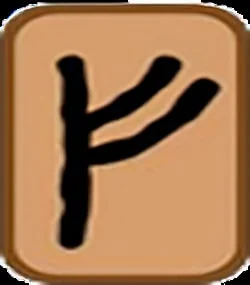
Imagine Fehu, Isa and Raidho, in that order and upright. An example reading might connect gathered resources, a present pause and a direction to explore. Fehu is the background, Isa the present and Raidho a future possibility. The third position opens a perspective rather than fixing an event.
Frequently Asked Questions
What does a reversed rune mean?
This application retains reversals for all 24 runes, including visually symmetric ones. Read reversal as an interpretive nuance and check its label; one rune cannot appear twice with different orientations.
How can I focus the consultation?
Choose one subject and a clear question. If the tool has no question field, keep it as a personal reference. Connect the symbol with a specific situation and note both what fits and what remains open.
Is retrying the same as starting a new consultation?
When Retry this reading appears, you can continue with the same question and selection. A new consultation allows another draw, and AI may write a different interpretation. The pauses and usage limits remain in place.
How can I connect the reading with real life?
Separate the symbol from what you know through experience. Use its contrast to ask a question or explore a possibility; examples illustrate a reading without certifying facts or fixing the future.
Can I keep the result and add notes?
Use Save reading once the result is complete. In My readings you can reopen it, add notes and download it as text. Data stays in this browser; use the library backup if you want to keep it when changing devices.